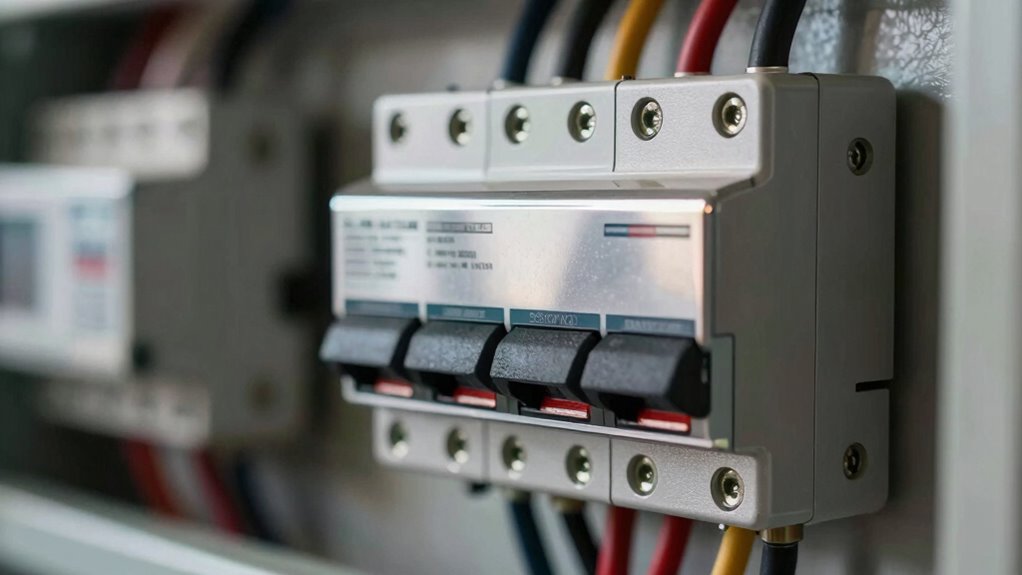

Understanding whether you need a transfer switch is vital because it guarantees your safety, prevents backfeed to utility workers, and keeps your home compliant with electrical codes. Without it, you risk dangerous electrical hazards, damage to your generator, and potential legal issues. Proper installation also helps protect your equipment and extend its lifespan. If you want to learn how a transfer switch can save you from costly mistakes, there’s more to discover ahead.

Get your next haul delivered free — and shop member deals
- Fast, free delivery on millions of items
- Access to Prime Big Deal Days deals on October 6–7
- Prime Video, Amazon Music and more included
Key Takeaways
- Proper transfer switch installation ensures safety by preventing dangerous backfeed and electrical faults during generator operation.
- It guarantees compliance with electrical codes, avoiding penalties and ensuring legal, insurance, and safety standards are met.
- A transfer switch facilitates seamless power transfer, maintaining home safety and preventing damage to electrical systems.
- Neglecting a transfer switch can compromise safety, increase risks, and potentially void warranties or violate regulations.
- Properly installed transfer switches extend generator lifespan and enhance overall system reliability and safety during outages.
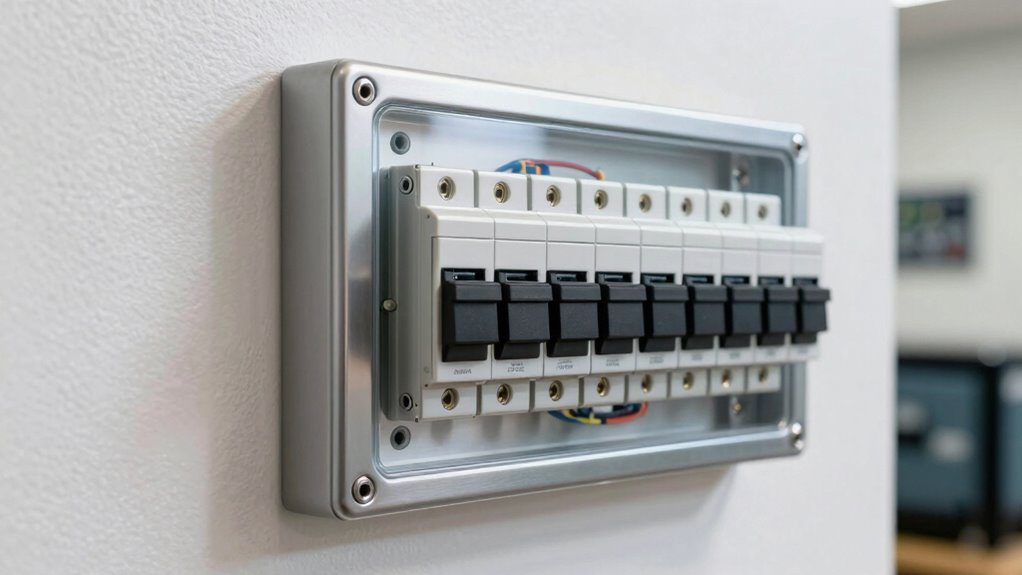
Have you ever wondered how a transfer switch works during a power outage? When the lights go out unexpectedly, it’s easy to assume a generator will automatically step in and keep your home running. But the truth is, without a properly installed transfer switch, your generator might be doing more harm than good. A transfer switch acts as the essential link that safely connects your generator to your home’s electrical system. It guarantees that power flows smoothly and safely, preventing dangerous backfeed that could harm utility workers or damage your equipment. This device isn’t just about convenience; it’s a matter of home safety. When installed correctly, it helps you avoid electrical hazards that can result from improper connections or overloaded circuits. Understanding how a transfer switch operates can give you peace of mind during emergencies. When the power grid fails, the switch detects the outage and isolates your home’s electrical system from the main utility line. It then switches the power source to your generator, allowing you to run essential appliances safely. Once utility power is restored, the transfer switch automatically switches back, disconnecting the generator and reconnecting your home to the grid. This process is seamless and minimizes the risk of electrical faults or fires caused by improper manual switching. Because electrical codes are strict about how backup power systems are installed, ensuring your transfer switch adheres to these standards is vital. Electrical codes specify safety requirements, such as grounding and circuit protection, which protect you and your home. Properly installed transfer switches also help prevent electrical hazards that can occur from improper connections. Additionally, understanding the installation process can help you ensure your system meets all safety standards and functions correctly. It’s also important to recognize that compliance with electrical codes is crucial for legal and insurance purposes, as non-compliance can lead to penalties or voided warranties. Many generator buyers overlook the importance of a transfer switch, thinking it’s an optional accessory rather than an essential safety feature. But neglecting this component can lead to serious consequences, including violating electrical codes that require proper disconnects for backup generators. These codes are in place to prevent accidents and guarantee safe operation for everyone involved. When you opt for a transfer switch, you’re not just buying convenience; you’re investing in your home’s safety and compliance. Additionally, understanding the importance of electrical code compliance can help you make informed decisions about your backup power system. It’s worth noting that a properly installed transfer switch can also enhance your generator’s lifespan because it reduces the risk of electrical surges or faults. Proper projector installation techniques, for example, can minimize risks and ensure optimal operation of your home systems.
As an affiliate, we earn on qualifying purchases.
Frequently Asked Questions
How Long Does It Take to Install a Transfer Switch?
Installing a transfer switch typically takes around 2 to 4 hours, depending on your home’s electrical setup. During installation, you’ll want to prioritize emergency preparedness and guarantee electrical safety by hiring a licensed electrician. They’ll handle wiring safely, reducing risks, and making sure your generator connects properly. Taking your time with installation ensures your system works reliably during emergencies, providing peace of mind and safeguarding your household.
Can I Install a Transfer Switch Myself?
You can install a transfer switch yourself, but it’s not recommended without proper electrical knowledge. Safety concerns are paramount, and incorrect installation can cause electrical hazards. Make certain to follow local electrical regulations and codes closely. If you’re unsure, consulting a licensed electrician is the safest choice. Proper installation ensures your generator functions correctly and keeps your home safe during outages. Don’t compromise safety for DIY convenience.
What Maintenance Is Required for a Transfer Switch?
Routine maintenance keeps your transfer switch safe and reliable, balancing electrical safety with cost considerations. You should regularly inspect for corrosion, tighten connections, and test the switch to guarantee it functions correctly. Cleaning dust and debris also prevents overheating. While maintenance is straightforward, neglecting it risks electrical hazards and costly repairs. Prioritizing these simple steps protects your system and your safety, making upkeep a smart, cost-effective choice.
Are Transfer Switches Compatible With All Generator Types?
Transfer switches are not compatible with all generator types, so you need to check compatibility for generator safety and power reliability. For example, some transfer switches work only with portable generators, while others suit standby models. Ensuring compatibility prevents electrical issues, protects your equipment, and maintains power reliability during outages. Always consult the manufacturer’s specifications and a professional installer to confirm your transfer switch matches your generator’s power and safety requirements.
How Do I Choose the Right Transfer Switch Size?
To choose the right transfer switch size, start by calculating your essential loads’ total wattage. Confirm the transfer switch’s capacity matches or exceeds this figure for transfer switch compatibility and safety. For emergency power planning, select a switch rated for at least 20% more than your maximum load to handle startup surges. Proper sizing guarantees reliable operation and prevents overloads, making your backup power system both efficient and safe.
Conclusion
Think of the transfer switch as the gatekeeper of your power fortress. Neglecting its importance is like leaving your front door wide open during a storm—you might weather the tempest, but at what risk? Choosing the right transfer switch isn’t just a technical detail; it’s the anchor that keeps your home’s lifeline steady amid chaos. Make this decision wisely, and you’ll guarantee your sanctuary stands strong, no matter how fierce the storm.
Evergreen bestsellers Picks
bestsellers
As an affiliate, we earn on qualifying purchases.