

A well-designed step-through feature greatly improves safety, accessibility, and user comfort—often more than senior buyers realize. It reduces physical strain, lowers entry points, and eliminates tripping hazards, making it easier and safer for everyone, especially those with mobility challenges. Thoughtful details like smooth pathways and safety features boost confidence and independence. If you want to understand how these small touches make a big difference, there’s more to uncover ahead.

Get your next haul delivered free with Prime
- Fast, free delivery on millions of items
- Prime Video, Amazon Music and more included
- Member-only deals all year
Key Takeaways
- Enhances safety by reducing tripping hazards and providing stable, unobstructed access for seniors.
- Improves ergonomic comfort, minimizing physical strain during entry and exit.
- Boosts independence and confidence with easy, seamless transition between spaces.
- Contributes to a sleek, modern aesthetic that aligns with overall design goals.
- Incorporates safety features like non-slip surfaces and handrails, emphasizing user protection.
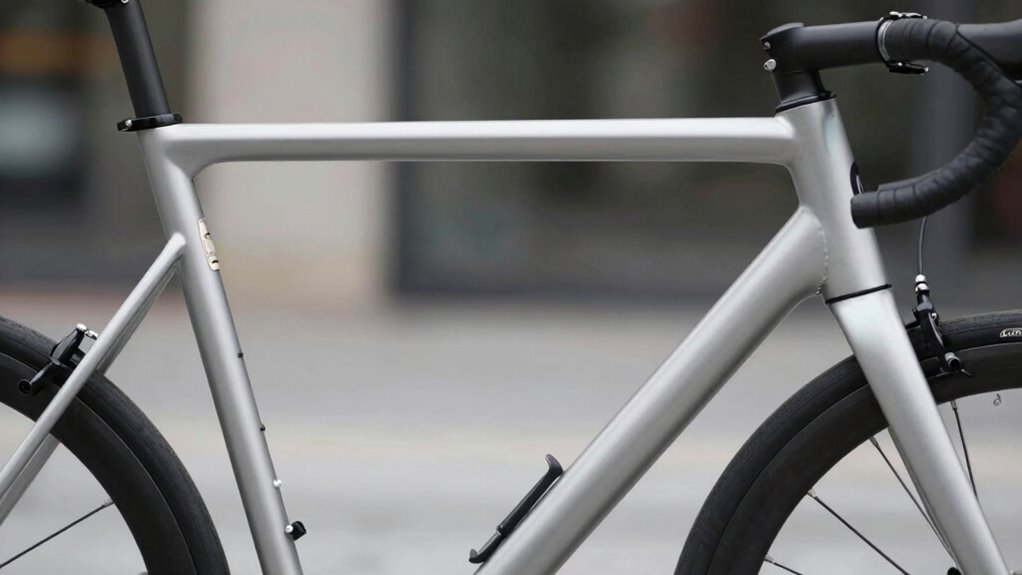
Ever wondered how a well-executed step-through design enhances both functionality and aesthetics? When you pay close attention to this detail, you’re doing more than just improving looks—you’re boosting the entire user experience. A thoughtfully designed step-through creates a seamless progression between different parts of a vehicle or piece of furniture, making it easier and more comfortable to use. This isn’t just about style; it’s about practical benefits that matter considerably, especially when considering ergonomic comfort and safety enhancements.
A well-designed step-through enhances both style and comfort, improving safety and user experience seamlessly.
You’ll find that a proper step-through design reduces strain, especially for those who may have limited mobility or physical challenges. By lowering the height of the entry point or incorporating a smooth, unobstructed pathway, you’re helping users avoid awkward maneuvers or unnecessary stretching. This small adjustment can make a big difference in how comfortably someone can get in and out. It’s an ergonomic upgrade that prioritizes ease of use, which many senior buyers may overlook but should truly value. When the design minimizes physical effort, it not only improves safety but also encourages independence and confidence in users. Additionally, understanding accessibility standards can guide designers in creating inclusive environments that meet diverse user needs. Recognizing ergonomic design principles ensures that every detail, including the step-through, contributes to a safer, more comfortable experience.
Safety is another critical factor that a well-executed step-through design directly influences. By eliminating tripping hazards or sharp edges, you’re actively reducing the risk of accidents. A clean, unobstructed step-through area prevents slips or falls, especially in environments where quick, safe access is essential. This is particularly relevant for seniors or individuals with balance issues, who can be more vulnerable to injuries. Incorporating safety features like non-slip surfaces or handrails into the design further reinforces stability during entry and exit. These small but essential features demonstrate how a thoughtful step-through design can serve as a protective measure, not just an aesthetic detail.
Furthermore, the visual appeal of a smooth, streamlined step-through cannot be underestimated. It offers a sleek, integrated look that complements the overall design, making the entire piece feel more modern and inviting. When you combine aesthetic appeal with ergonomic comfort and safety features, you elevate the product’s value and user satisfaction. Senior buyers often focus on durability and safety, but they might not initially realize how much a simple design element like this impacts their overall experience. By paying attention to the details of the step-through, you’re ensuring that every user feels secure, comfortable, and confident—something that truly matters more than most realize. Additionally, understanding contrast ratio can help in designing environments where visual clarity and safety are maximized, further enhancing user confidence and safety.
As an affiliate, we earn on qualifying purchases.
Frequently Asked Questions
How Does Step-Through Design Improve Overall Product Durability?
Step-through design enhances overall product durability by reducing stress on critical components, making the structure more resilient over time. It also guarantees ergonomic comfort, allowing users to access and use the product with ease, which minimizes wear and tear. Plus, its sleek aesthetic appeal keeps the product looking good longer, encouraging proper use and maintenance. This combination of durability, comfort, and style makes the product more reliable and appealing to users.
What Materials Are Best Suited for Step-Through Design Components?
You should choose materials like aluminum or steel that guarantee material compatibility and durability for step-through components. These metals resist corrosion and handle stress well, improving longevity. Additionally, consider aesthetic considerations—using coated or polished metals can enhance appearance without compromising strength. Proper material selection ensures your step-through design is both functional and visually appealing, meeting durability standards while aligning with your overall design goals.
Are There Specific Industries That Benefit Most From This Design?
Like a Swiss Army knife, step-through design offers unmatched versatility, making it highly beneficial across various industries. You’ll find it especially valuable in the bicycle and medical device sectors, where easy access and safety are critical. Its industry applicability shines in environments demanding quick, effortless entry, while the design versatility ensures it adapts seamlessly to different needs. If you prioritize user convenience, this design will be a game-changer for your projects.
How Does Step-Through Design Affect Manufacturing Costs?
Step-through designs can lower manufacturing costs by boosting assembly efficiency, as they simplify the assembly process and reduce the need for complex parts or tools. This cost reduction means faster production times and fewer labor costs. Additionally, the straightforward design minimizes errors during assembly, leading to fewer defects and rework. Overall, adopting a step-through design helps you save money while improving product quality and durability.
What Are Common Mistakes to Avoid in Implementing This Detail?
You should avoid neglecting ergonomic comfort and safety enhancements when implementing step-through design. Common mistakes include overlooking proper height and clearance, which can compromise safety, or ignoring user ease, leading to discomfort. Guarantee you test for smooth access and secure footing to prevent accidents. By focusing on ergonomic comfort and safety, you enhance user experience, reduce risks, and make sure the design truly benefits the end user.
Conclusion
Don’t overlook the step-through design—it’s more than just a detail; it’s the bridge between convenience and safety. While others might dismiss it as minor, you know it can make or break the ease of your daily ride. It’s the difference between an awkward climb and a smooth, confident glide. In a world full of complex features, sometimes the simplest touches matter most. Embrace this detail, and ride with both comfort and peace of mind.
Halloween Picks
halloween
As an affiliate, we earn on qualifying purchases.