To assess an expensive product on Amazon, start by checking the Q&A for insights beyond the product description and reviews. Look for honest answers about authenticity, durability, and real-world use, especially from verified buyers. Pay attention to questions about seller reputation and responsiveness, which indicate trustworthiness. If you notice unanswered questions or red flags, proceed with caution. Want to learn how to spot the best info? Keep going for essential tips.

Get your next haul delivered free — and shop member deals
- Fast, free delivery on millions of items
- Access to Prime Big Deal Days deals on October 6–7
- Prime Video, Amazon Music and more included
Key Takeaways
- Prioritize questions about product authenticity and verify seller credibility through detailed answers.
- Review responses from verified purchasers for genuine insights on durability and performance.
- Check for questions about shipping, packaging, and return policies to assess seller transparency.
- Look for unanswered or suspicious questions that may indicate authenticity or quality concerns.
- Use Q&A discussions to gain a broader understanding of long-term value and real-world usability.
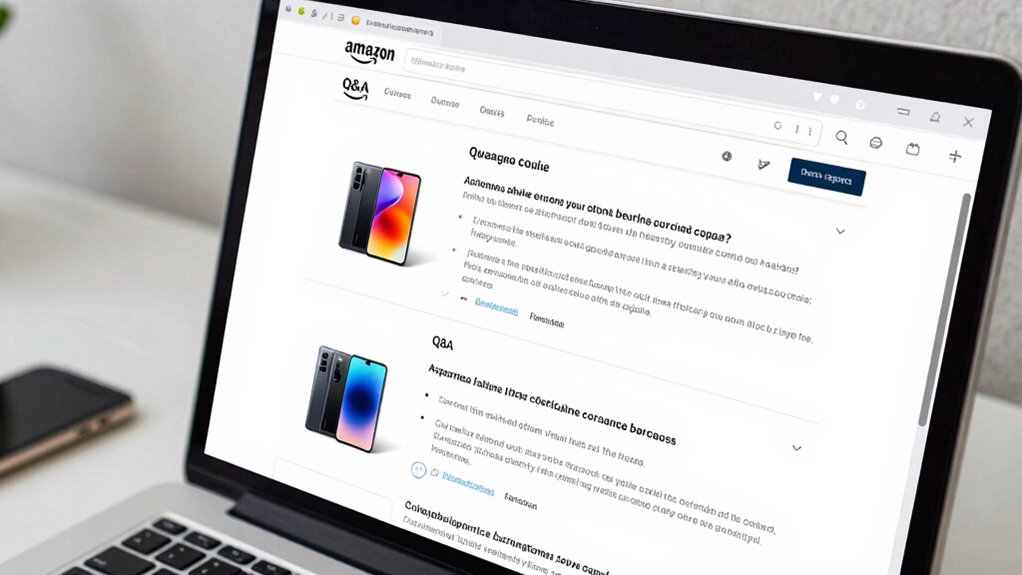
Have you ever hesitated to buy a pricey item on Amazon because you weren’t sure if it’s truly worth the cost? That’s a common concern, especially when dealing with expensive products where trust matters more than ever. Before you hit the “Buy Now” button, taking a close look at the Amazon Q&A section can make all the difference. This part of the listing is a goldmine for insights that go beyond the product description or customer reviews. When you read through the questions and answers, you get a clearer picture of the product’s real-world performance, durability, and features.
One of the first things to pay attention to is the questions about product authenticity. Some products, particularly branded or luxury items, are prone to counterfeits. When browsing, look for questions that address whether the item is genuine or if it matches the brand’s specifications. Honest sellers or manufacturers often answer these questions directly, giving you peace of mind. If you see multiple questions about authenticity that go unanswered or are dodged, that’s a red flag. It’s worth investigating further—perhaps by researching the seller or reading reviews about their credibility. product authenticity plays a critical role in high-value purchases, and understanding how it’s verified can save you from costly mistakes.
Check for unanswered questions on authenticity to avoid counterfeit products and ensure genuine quality.
Speaking of sellers, the seller reputation plays a crucial role in understanding the reliability of a product. If the seller is Amazon itself or a highly rated third-party with a history of positive feedback, it’s more likely that the product is authentic and accurately represented. Pay attention to questions where buyers ask about shipping times, packaging quality, or return policies. Sellers with a good reputation tend to be responsive and transparent, providing detailed answers that clarify any doubts. Conversely, if the seller’s reputation is questionable or reviews mention issues like delayed shipping or poor customer service, it’s best to proceed cautiously.
Another tip is to look for questions that reveal real user experiences, especially those related to the product’s longevity and performance. Often, buyers will ask if the item holds up over time or if it functions as advertised. The answers can highlight potential problems or confirm that the product matches its description. When you see consistent replies from verified purchasers, it adds credibility to the responses and helps you judge whether the product is worth your investment. Additionally, understanding how digital content and research topics are discussed in Q&A can give you a broader perspective on the product’s value. Recognizing the importance of product durability can also help you assess whether a high-priced item will stand the test of time.
As an affiliate, we earn on qualifying purchases.
Frequently Asked Questions
How Can I Tell if Answers Are Genuine or Fake?
You can tell if answers are genuine by checking customer reviews and looking for detailed, specific responses. Authentic answers often include personal experiences and mention particular product features. Be wary of vague or overly positive replies, which may indicate fake feedback. Cross-reference the Q&A with reviews to verify product authenticity. Genuine answers usually come from verified purchasers, helping you make an informed decision before buying something expensive.
Should I Trust Answers From Verified or Unverified Users?
Prioritize verified users because their answers often reflect genuine experiences, boosting your confidence in product authenticity and seller reputation. Verified reviews tend to be trustworthy, while unverified ones might be less reliable. Trust these transparent testimonies to make well-informed decisions, especially when investing in expensive items. So, stick with verified voices for a safer, smarter shopping experience, and avoid potential pitfalls from fake or misleading feedback.
How Do I Identify Biased or Sponsored Responses?
You can spot biased or sponsored responses by paying attention to customer motivations and the influence of reviews. Look for overly positive answers that seem promotional or lack detailed insights, as they might be sponsored. Check if responses are consistent with other reviews and notice if certain users repeatedly give glowing praise without mentioning drawbacks. Recognizing these signs helps you filter out biased opinions and make more informed purchasing decisions.
Can Q&A Reveal Hidden Product Flaws?
Around 85% of customers read reviews before purchasing expensive items, highlighting the importance of Q&A for product transparency. Yes, Q&A can reveal hidden flaws when customers honestly share their experiences. Look for consistent complaints or detailed responses addressing issues. This honest feedback helps you gauge product quality beyond marketing claims, ensuring you make a smarter, more informed decision based on real customer honesty rather than just product descriptions.
How Recent Are the Answers Provided?
The answers on Amazon Q&A are usually quite recent, reflecting current customer experiences and updates. This helps you assess product authenticity and spot new issues. You can see if customers are actively engaging with sellers and other buyers, which boosts confidence in the product. Always check the date of the answers to guarantee you’re getting the latest insights, so your purchasing decision is well-informed and based on current customer engagement.
Conclusion
By learning how to read Amazon Q&A effectively, you can spot potential issues and make smarter purchase decisions. Imagine you’re eyeing a pricey blender; checking the Q&A reveals that many users struggled with durability after a few months. This insight saves you from a costly mistake. Taking a few minutes to analyze these questions and answers can give you peace of mind and guarantee you’re investing in a product that truly meets your expectations.
Fall Picks
fall essentials
As an affiliate, we earn on qualifying purchases.