
TL;DR

Get your next haul delivered free with Prime
- Fast, free delivery on millions of items
- Prime Video, Amazon Music and more included
- Member-only deals all year
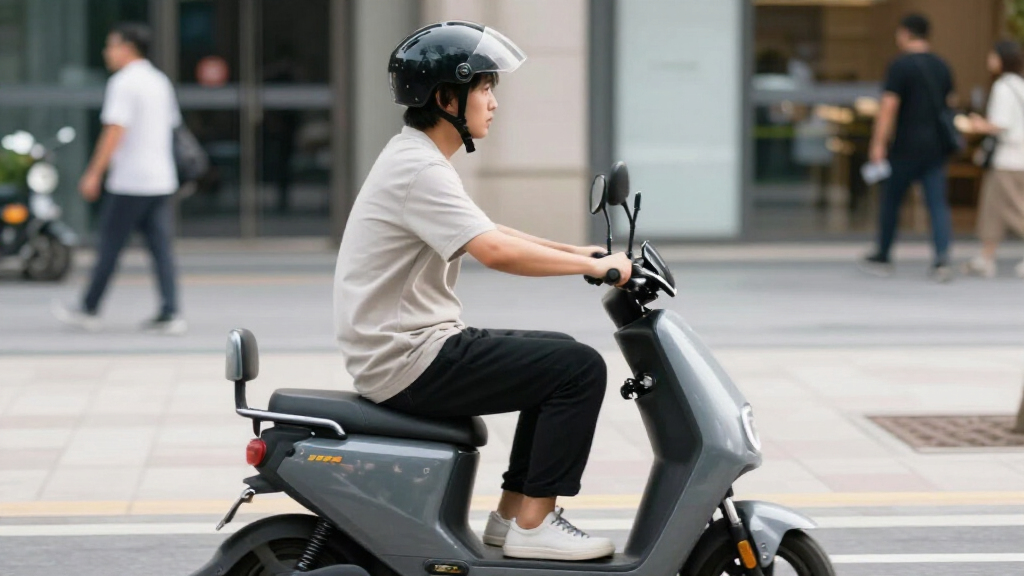
The government announced plans to require helmets for electric scooter users to improve safety. Extending this mandate to cyclists is still under discussion. The move reflects growing safety concerns but faces implementation challenges.
The government has announced a proposal to mandate helmet use for electric scooter riders, citing safety concerns amid rising incidents involving e-scooters. The move aims to reduce injuries and improve rider safety, but extending the same requirement to cyclists remains unconfirmed and faces legislative hurdles.
According to official sources, the government is preparing to introduce legislation that will require all electric scooter users to wear helmets while riding. The proposal is part of a broader effort to improve urban mobility safety, especially as e-scooter usage has increased steadily over the past two years. The legislation is currently in consultation stages, with details on enforcement and penalties yet to be finalized.
While the helmet mandate for e-scooter riders is moving forward, authorities have publicly acknowledged difficulties in extending similar rules to traditional cyclists. Officials have stated that discussions are ongoing, but no formal legislative proposal has been introduced to require helmets for cyclists, citing logistical and cultural challenges.
The announcement comes amid rising public concern over e-scooter-related injuries, with recent safety reports indicating an uptick in accidents involving electric scooters. Safety advocates have long called for mandatory helmet laws, citing data that shows helmets significantly reduce head injury severity.
Implications for Urban Mobility Safety
This proposed helmet mandate for e-scooter users could set a precedent for urban mobility regulations, potentially influencing future safety laws for micro-mobility devices. If implemented, it may lead to fewer head injuries and safer streets, but also raises questions about enforcement, compliance, and rider freedom. The difficulty in extending such rules to cyclists highlights the complexities policymakers face in balancing safety with practicality and cultural acceptance.
Popular right now

Bose QuietComfort Wireless Earbuds with Active Noise Cancellation, Dewdrop Mint

Vitamix Propel Series 750 Professional-Grade Blender, 4 Programs, Black

Vitamix Propel Series 510 Professional-Grade Blender, 3 Programs, Black
As an affiliate, we earn on qualifying purchases.
Growing Safety Concerns and Regulatory Challenges
Over the past two years, e-scooter usage has surged in many cities worldwide, prompting safety concerns as injury reports increase. Authorities have responded variably, with some cities introducing restrictions or safety requirements. The current push for a helmet mandate reflects a trend toward stricter regulation of micro-mobility, driven by data showing head injuries are among the most common accidents involving e-scooters.
Efforts to extend helmet laws to traditional cycling, however, have faced resistance, with critics citing enforcement difficulties and cultural differences in cycling communities. The government’s struggle to implement a helmet requirement for cyclists underscores the broader challenge of regulating diverse modes of urban transportation under a unified safety framework.
Recent safety campaigns and public debates have heightened awareness, but no consensus has emerged on how best to enforce helmet use across different mobility modes.
Unresolved Aspects of the Helmet Mandate
It is not yet clear when the legislation will be introduced or enacted, nor what penalties or enforcement mechanisms will be in place. The specifics of how the rule will be implemented, monitored, and enforced are still under discussion. Additionally, the extent to which the helmet requirement will apply to different categories of riders remains uncertain, as does the legislative approach to extending similar rules to cyclists.
Next Steps in Legislation and Public Consultation
The government is expected to finalize the draft legislation within the next few months, followed by public consultations and stakeholder engagement. Once the legislation is introduced, there will likely be a period of review and debate before it passes into law. Authorities may also develop public awareness campaigns to encourage compliance and address concerns about enforcement.
Key Questions
When will the helmet mandate for e-scooter riders take effect?
It is not yet confirmed when the legislation will be enacted. The government is currently in consultation stages, with a timeline to be announced after finalizing the draft law.
Will cyclists be required to wear helmets under the new rules?
No, extending helmet requirements to cyclists remains under discussion, and no formal proposal has been introduced yet. Officials cite logistical and cultural challenges as reasons for the delay.
What penalties will riders face for not wearing a helmet?
The specific enforcement measures and penalties are still being developed and have not been publicly disclosed.
How might this legislation impact e-scooter usage?
If implemented, the helmet mandate could improve safety and reduce injuries, but it may also influence rider behavior and compliance. The overall impact remains to be seen.
What are the main arguments against mandatory helmet laws?
Critics argue that enforcement is difficult, especially in urban environments, and that mandatory helmet laws may discourage micro-mobility use, potentially impacting transportation options and convenience.
Source: rss