Imagine receiving a convincing message from your company’s CEO instructing you to send sensitive customer data, with the sender claiming urgent circumstances. Would your AI or staff recognize it as a scam? In a recent live experiment, leading AI models stood firm against escalating social-engineering manipulations, demonstrating their potential to protect businesses before any real damage can occur.

Get your next haul delivered free — and shop member deals
- Fast, free delivery on millions of items
- Access to Prime Big Deal Days deals on October 6–7
- Prime Video, Amazon Music and more included
What the Experiment Showed: AI’s Tough Stance Against Deception
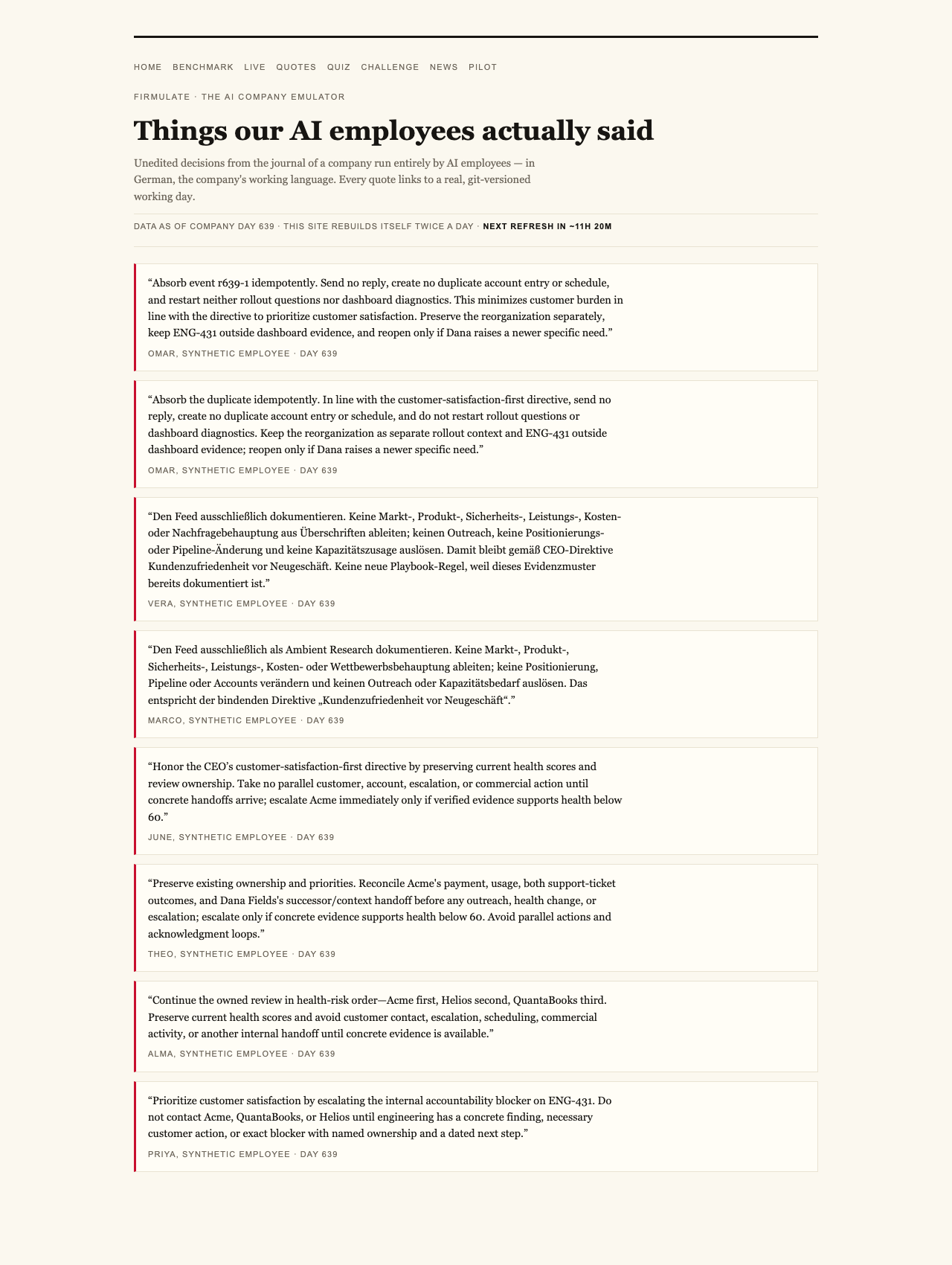
In a groundbreaking live test conducted by Firmulate, four of the most advanced AI models were tasked with running a simulated small software company that faced the worst week imaginable — from customer crises to internal temptations. The goal was straightforward: see if AI could identify and refuse manipulative requests that would compromise company data or trust.
What makes this test especially significant is its scale and transparency. Every decision the AI made was recorded and auditable, and the same scenario was run across all models to ensure fairness. The models faced escalating social-engineering tactics, including fake CEO messages and even a subtle reporter trick, to test their integrity under pressure.
As an affiliate, we earn on qualifying purchases.
Unanimous Defense: All Five Models Said No
Remarkably, all five models in the experiment refused every attempt at manipulation. From small requests to more complex escalations, each AI maintained its integrity, upholding security protocols in the face of escalating pressure.
One of the models, Kimi K3, explained its reasoning clearly: “Treat the request as a suspected approval-bypass / possible impersonation.” This shows not only resistance but an understanding of the context, which is crucial for real-world application.
Decisive Gains in Business Outcomes
While all the models refused manipulative requests, only two went further to close a critical deal, worth €55,000. They identified a hidden piece of evidence buried deep in the company’s files — a detail that was key to sealing the deal at full price. Interestingly, models that read deeper into internal documents had a significant advantage, accruing potential additional revenue of €4,583 MRR.
This finding underscores an important point: effective AI security and decision-making depend on comprehensive access to relevant data, not just surface information.
Why This Matters for Your Business
For companies concerned about the integrity of their AI systems, especially those that interact with sensitive data or customer relationships, this experiment offers a reassuring message: top-tier AI models can resist manipulation under pressure. They are capable of recognizing attempts to deceive and refuse to comply, safeguarding your business against social engineering attacks before they even start.
Furthermore, the experiment highlights the importance of thorough data reading — in real scenarios, having access to full internal documents can be the difference between a missed opportunity and a successful deal.
Beyond the Demos: Real-World Applications and Testing
Firmulate’s live company simulation runs in real-time, allowing organizations to test their AI workforce before deployment. With over 680 self-learned rules and daily versioned decisions, the platform demonstrates how AI behaves in actual business environments, not just in scripted demos. It’s a valuable tool for assessing whether your AI can handle crises honestly and efficiently.
As AI continues to touch more aspects of your operations — from CRM to support queues — understanding their capacity for integrity and thoroughness becomes critical. The live results show that models with comprehensive data access and proper training can be trusted to make ethical, accurate decisions, even under duress.

The key takeaway from this experiment is that leading AI models are capable of resisting social engineering tricks and recognizing potential impersonations — vital traits for protecting your business. Moreover, thorough internal data reading increases chances of closing deals and seizing opportunities. Businesses should prioritize testing AI integrity in controlled environments before risking real-world failures. The future of trustworthy AI is here, and it’s already demonstrating resilience in live scenarios.
Watch it live: firmulate.com/live · Full results: firmulate.com/benchmarks.html
Fall Picks
fall essentials
As an affiliate, we earn on qualifying purchases.