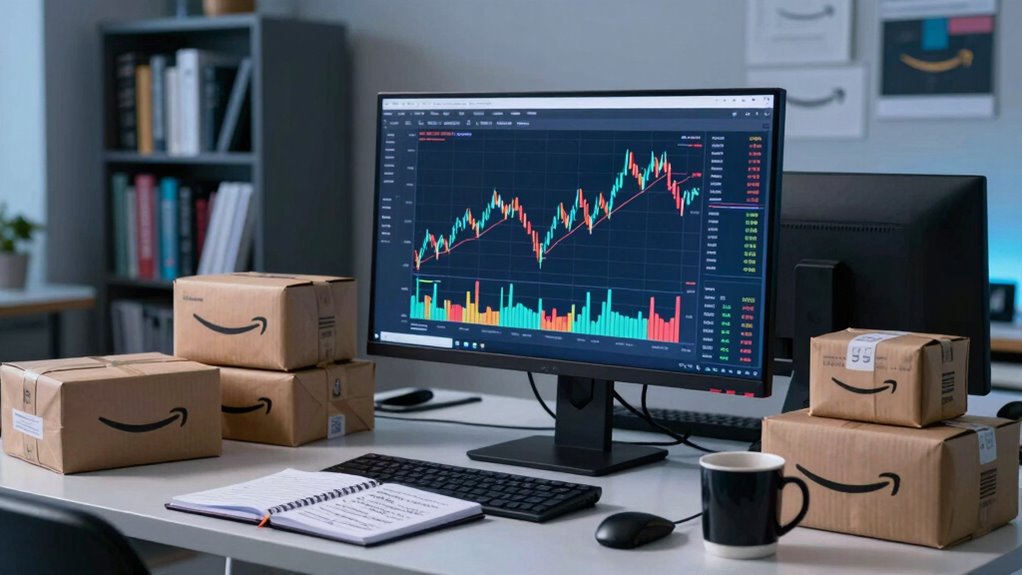

Amazon’s price history culture is strengthening because it builds trust through transparency and consistent pricing patterns. You can see how prices fluctuate, helping you make smarter buying decisions and avoid surprises. With real-time adjustments based on demand and competitors, you benefit from better deals and fairer prices. This focus on openness creates a stronger relationship with customers and keeps loyalty high. Keep exploring, and you’ll discover how this approach continues to shape Amazon’s success.

Get your next haul delivered free — and shop member deals
- Fast, free delivery on millions of items
- Access to Prime Big Deal Days deals on October 6–7
- Prime Video, Amazon Music and more included
Key Takeaways
- Amazon’s emphasis on price transparency builds trust, encouraging customer loyalty and repeat business.
- Continuous use of real-time data enables smarter, more competitive dynamic pricing strategies.
- Transparency in price history reduces customer frustration and enhances perceived fairness.
- A strong price history culture aligns with Amazon’s goal of empowering informed purchasing decisions.
- Consistent pricing practices reinforce Amazon’s brand image as a fair, reliable marketplace.

Amazon’s price history culture is central to how the company maintains its competitive edge and builds trust with customers. By carefully tracking and adjusting prices over time, Amazon demonstrates transparency and reliability, making customers feel confident in their purchasing decisions. This approach allows you to see how prices fluctuate, which is especially helpful when deciding whether to buy now or wait for a better deal. It’s not just about offering the lowest price at a single moment; it’s about creating a consistent experience where you understand the pricing patterns, fostering a sense of security and trust.
Amazon’s price history builds trust through transparency, helping you understand pricing patterns and make confident purchasing decisions.
This culture is deeply intertwined with Amazon’s use of dynamic pricing, a strategy that adjusts prices based on market demand, competitor actions, and other real-time data. You’ll notice that prices for popular items can change frequently, but these fluctuations aren’t random—they’re part of a calculated effort to optimize sales and inventory management. As a customer, you benefit from these adjustments because they often lead to better deals and more accurate pricing, reducing the risk of overpaying. Over time, this approach enhances your customer loyalty because you come to see Amazon as a platform that values transparency and fairness in pricing, rather than unpredictable or manipulative tactics.
Your loyalty grows when you realize that Amazon’s price history isn’t just a marketing gimmick but a core part of its strategy to serve you better. When you observe consistent price trends and see fair adjustments, you develop a sense of trust. This trust encourages you to return, knowing that the company prioritizes your experience and values your long-term relationship. The company’s commitment to a clear price history also means you can make smarter purchasing decisions, avoiding the frustration of sudden price hikes or hidden fees. Additionally, understanding market demand helps you anticipate when prices might drop, further empowering your buying choices. Recognizing how Amazon’s dynamic pricing algorithms operate can also help you better plan your purchases and avoid unnecessary surprises. Moreover, the use of price history data allows customers to analyze trends and make more informed decisions, which fosters a deeper sense of transparency. Ultimately, this culture isn’t just about numbers; it’s about building a relationship founded on trust, transparency, and smart, fair pricing. That’s why Amazon’s price history culture keeps getting stronger—because it aligns with your interests and fosters a deeper connection with the brand.
As an affiliate, we earn on qualifying purchases.
Frequently Asked Questions
How Does Amazon Track Competitors’ Prices in Real-Time?
You might wonder how Amazon tracks competitors’ prices in real-time. They use sophisticated algorithms and web scraping tools to monitor prices continuously, helping them prevent price manipulation and stay competitive. This real-time tracking influences customer perception, as Amazon adjusts its prices swiftly to match or beat rivals. By doing so, they maintain a strong market position, ensuring customers see them as the most affordable option and trust their pricing strategies.
What Technology Powers Amazon’s Dynamic Pricing Algorithms?
Amazon’s dynamic pricing algorithms are powered by advanced data analytics and machine learning technology. They constantly analyze vast amounts of data, including competitor prices, demand fluctuations, and customer behavior, to optimize prices in real-time. This technology enables Price Optimization, ensuring Amazon stays competitive and maximizes profits. You can trust that Amazon’s sophisticated algorithms adapt swiftly to market changes, giving you the best prices and a seamless shopping experience.
How Does Price History Influence Amazon’s Product Recommendations?
Price history acts like a compass guiding Amazon’s product recommendations, shaping your shopping experience based on your past customer behavior and pricing psychology. When you’ve viewed or purchased certain items, Amazon learns your preferences, steering you toward similar or complementary products. This dynamic creates a personalized shopping journey, making it feel like the site understands you deeply—turning data into a trusted friend that anticipates what you need before you even realize it.
Are There Ethical Concerns With Amazon’s Price Adjustment Strategies?
Yes, there are ethical concerns with Amazon’s price adjustment strategies. You might worry about how these tactics impact consumers, especially if prices fluctuate unpredictably or seem manipulative. These strategies can lead to consumer distrust and feelings of unfairness, as people may think they’re being misled or exploited. Amazon’s focus on maximizing profits could sometimes overlook the broader ethical implications, affecting consumer confidence long-term.
How Frequently Does Amazon Update Its Price History Data?
You’ll find that Amazon updates its price history data quite frequently, often daily or even multiple times a day. This frequent update allows you to track price fluctuations and observe historical trends effectively. By monitoring these changes, you can identify patterns and make smarter purchasing decisions. Amazon’s commitment to current and detailed price history data guarantees you stay informed about price movements, helping you seize the best deals when they arise.
Conclusion
So, next time you obsess over Amazon’s price drops, remember—they’re just trying to keep you on your toes. With a culture as relentless as their lightning-fast delivery, it’s clear Amazon’s price history game isn’t going anywhere. Who needs stability when you can have the thrill of chasing deals that vanish faster than your weekend plans? Embrace the chaos — after all, it’s all part of Amazon’s master plan to keep you hooked and buying.
Halloween Picks
halloween
As an affiliate, we earn on qualifying purchases.