TL;DR

Get your next haul delivered free with Prime
- Fast, free delivery on millions of items
- Prime Video, Amazon Music and more included
- Member-only deals all year
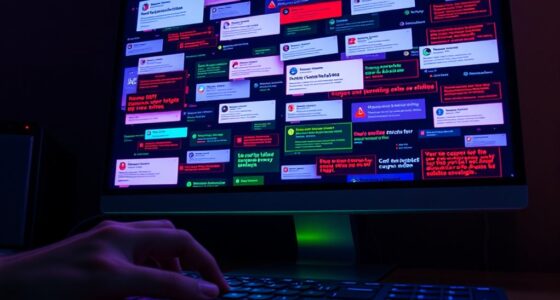
New York City has announced a new law banning deceptive subscription practices, making it the first U.S. city to implement such a regulation. The law targets misleading renewal tactics and aims to improve consumer protections.
New York City will become the first in the United States to ban deceptive subscription practices, aiming to protect consumers from misleading renewal tactics and hidden fees. The new law, announced by city officials on December 15, 2023, is scheduled to go into effect in early 2024 and represents a significant step in consumer protection efforts.
The legislation prohibits businesses from using misleading language, hidden charges, or automatic renewal tactics that are designed to trap consumers into ongoing payments without clear consent. It also requires companies to clearly disclose subscription terms, renewal policies, and cancellation procedures at the point of sale. The law applies to digital services, memberships, and other recurring billing arrangements operating within New York City.
Officials from the New York City Department of Consumer and Worker Protection (DCWP) stated that the law was prompted by widespread complaints from consumers about deceptive renewal practices, which often lead to unexpected charges and difficulty canceling subscriptions. The legislation is part of a broader effort to modernize consumer protections in the digital age, where such tactics have become more prevalent.
Why This Law Marks a Major Shift in Consumer Protections
This legislation sets a precedent as the first city-level effort in the U.S. to explicitly ban deceptive subscription practices. It could influence other states and localities to adopt similar regulations, potentially leading to nationwide reforms. For consumers, it offers increased transparency and safeguards against unfair billing tactics, reducing the risk of unexpected charges and financial hardship.
subscription cancellation management tools
As an affiliate, we earn on qualifying purchases.
As an affiliate, we earn on qualifying purchases.
Background on Deceptive Subscription Tactics in the U.S.
Over recent years, complaints about deceptive subscription practices have surged, with consumers reporting difficulty canceling services and discovering hidden fees. Several federal and state agencies have issued warnings or taken enforcement actions against companies employing such tactics, but comprehensive regulation has been limited. The New York City law builds on existing efforts to improve transparency and protect consumers in the digital economy.
“This law is a crucial step toward ensuring that consumers are not misled or trapped by unfair subscription practices. Transparency and fairness must be the foundation of digital commerce.”
— NYC Department of Consumer and Worker Protection Commissioner
Unclear Details on Enforcement and Business Compliance
It is not yet clear how enforcement will be carried out, what penalties businesses will face for violations, or how quickly the law will be adopted and implemented. Details regarding the specific scope of covered services and the extent of penalties remain to be clarified as the legislation moves toward final approval and implementation.
Next Steps for Implementation and Broader Adoption
The law is expected to be enacted in early 2024, with the city agency issuing detailed regulations and guidance for businesses. There may also be legal challenges or calls for amendments from industry groups. Observers will watch whether other jurisdictions consider similar legislation following New York City’s lead.
Key Questions
When will the new law take effect?
The law is expected to go into effect in early 2024, with further regulations to follow from city authorities.
What types of businesses will be affected?
The legislation applies to digital services, memberships, and any businesses offering recurring billing within New York City.
How will the law be enforced?
The specifics of enforcement and penalties are still being developed, but the city has indicated that violations will be subject to fines and other sanctions.
Could this law influence other cities?
Yes, this could serve as a model for other jurisdictions seeking to curb deceptive subscription practices, potentially leading to wider reforms nationwide.
What are consumers advised to do now?
Consumers should review their subscription agreements carefully and report any deceptive practices to the city’s consumer protection agency.
Source: hn
Halloween Picks
halloween
As an affiliate, we earn on qualifying purchases.